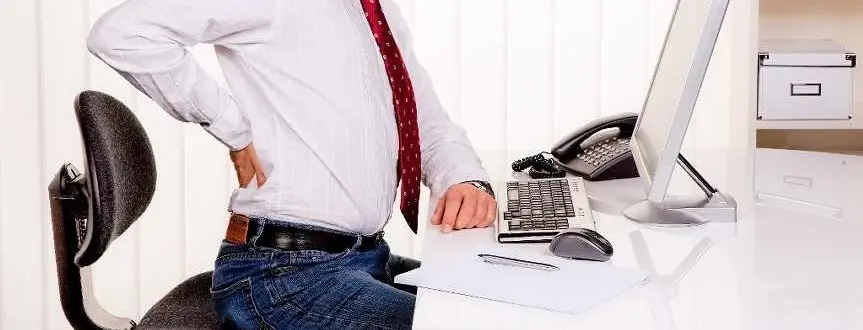
Lower back pain is one of the most common reasons people seek healthcare, affecting people of all ages and activity levels. From office workers and parents to athletes and retirees, lower back pain can interfere with work, sleep, exercise, and everyday life.
At Curl Curl Chiropractic, Daniel Ryken regularly sees patients from Curl Curl and the wider Northern Beaches who are dealing with lower back pain — whether it’s a recent flare-up or chronic lower back pain that has been present for months or years.
Understanding the possible causes of lower back pain is an important first step toward managing it effectively.
Lower back pain generally refers to discomfort, stiffness, or restricted movement in the lumbar spine — the area between the rib cage and the pelvis. Symptoms can vary widely and may include:
Lower back pain may be acute, recurrent, or chronic, and in many cases, more than one contributing factor is involved.
One of the most common contributors to lower back pain is prolonged sitting, particularly with poor posture. Long hours at a desk, driving, or working on devices can increase mechanical stress on the lumbar spine and surrounding muscles.
Over time, this may contribute to:
Lower back muscles work hard to support daily movement. Sudden increases in activity, repetitive bending or lifting, or inadequate recovery can overload these muscles.
Muscle-related lower back pain is often associated with:
If not properly managed, repeated muscle strain can sometimes contribute to persistent or chronic symptoms.
The lower back is made up of multiple joints that need to move together efficiently. When one or more joints become restricted or move differently, surrounding areas may compensate, increasing strain.
Restricted spinal movement may contribute to:
Spinal discs sit between the vertebrae and act as shock absorbers. Changes to disc health can sometimes contribute to lower back pain, particularly when combined with posture, repetitive strain, or reduced spinal mobility.
The term “slipped disc” is commonly used, although discs do not actually slip out of place. It’s often used to describe disc bulges or disc-related irritation.
Disc-related lower back pain may include:
Disc changes can be associated with both acute episodes and chronic lower back pain, particularly when movement patterns and spinal loading are not addressed.
The lower back does not work in isolation. Weakness or reduced coordination in the core, hips, or gluteal muscles can place additional load on the lumbar spine.
This imbalance may contribute to:
Stress doesn’t just affect the mind — it often shows up physically. Many people hold tension through their lower back and hips, particularly during prolonged or stressful periods.
Ongoing tension may:
Lower back pain may become chronic when contributing factors are not addressed. Repetitive habits, poor ergonomics, limited movement variety, reduced strength, and ongoing tension can all play a role.
This is why many people seek an approach that looks at movement, posture, spinal function, and daily habits, rather than focusing on symptoms alone.
Management strategies vary depending on the individual and may include:
At Curl Curl Chiropractic, Daniel Ryken assesses how the spine, pelvis, and surrounding structures are functioning, with care tailored to each person’s needs, lifestyle, and goals.
It may be helpful to seek professional advice if you have lower back pain:
Early assessment may help identify contributing factors and guide appropriate care.
Daniel Ryken has been helping patients with lower back pain — including chronic lower back pain — at Curl Curl Chiropractic for many years. Patients from Curl Curl, North Curl Curl, and across the Northern Beaches choose care that is individualised, practical, and focused on supporting long-term spinal health.
Chiropractic care is not a substitute for medical care, and individual results vary. Where appropriate, collaboration with other healthcare providers is encouraged.
If you’re experiencing lower back pain and want to better understand what may be contributing to it, Daniel Ryken at Curl Curl Chiropractic offers professional assessment and care in a supportive environment.